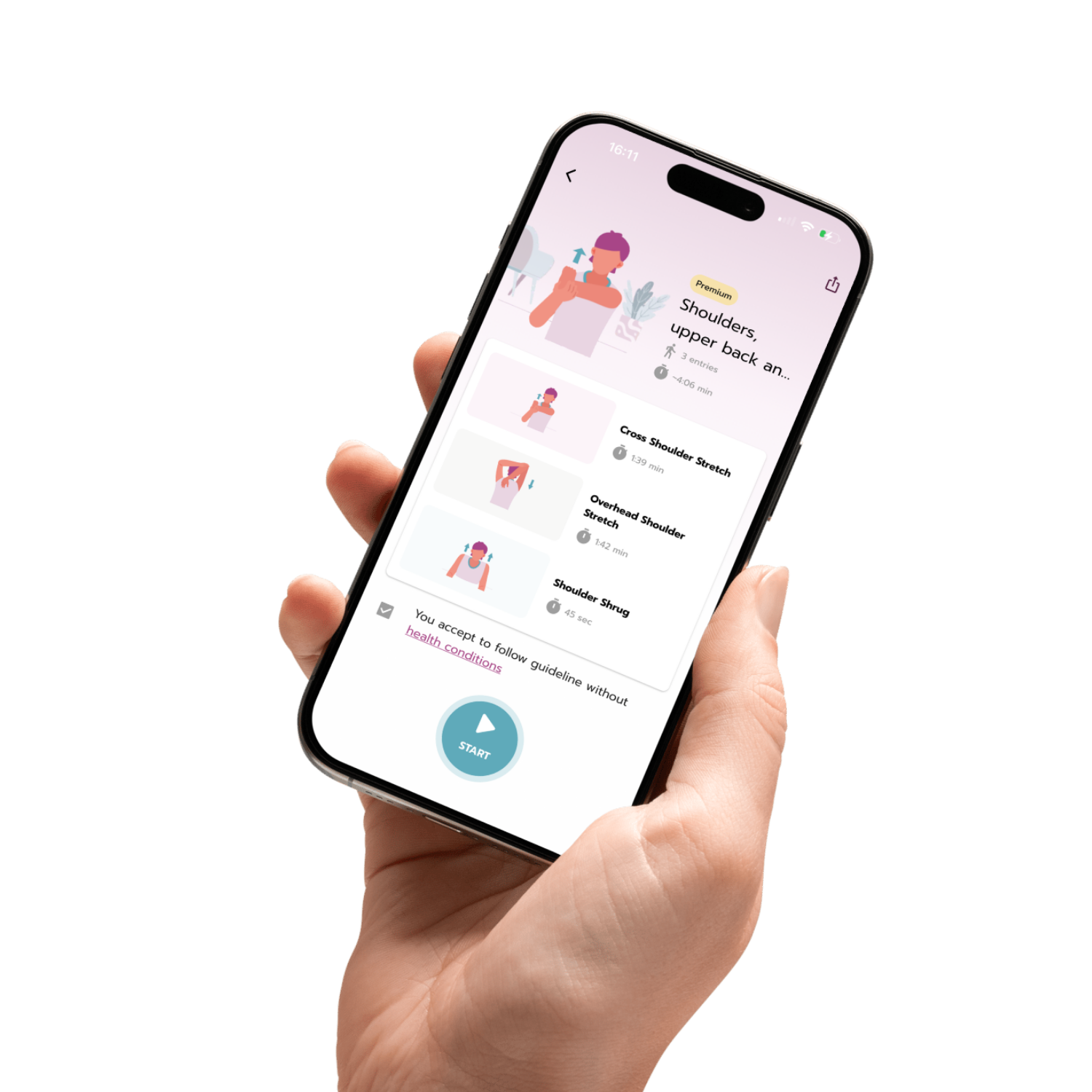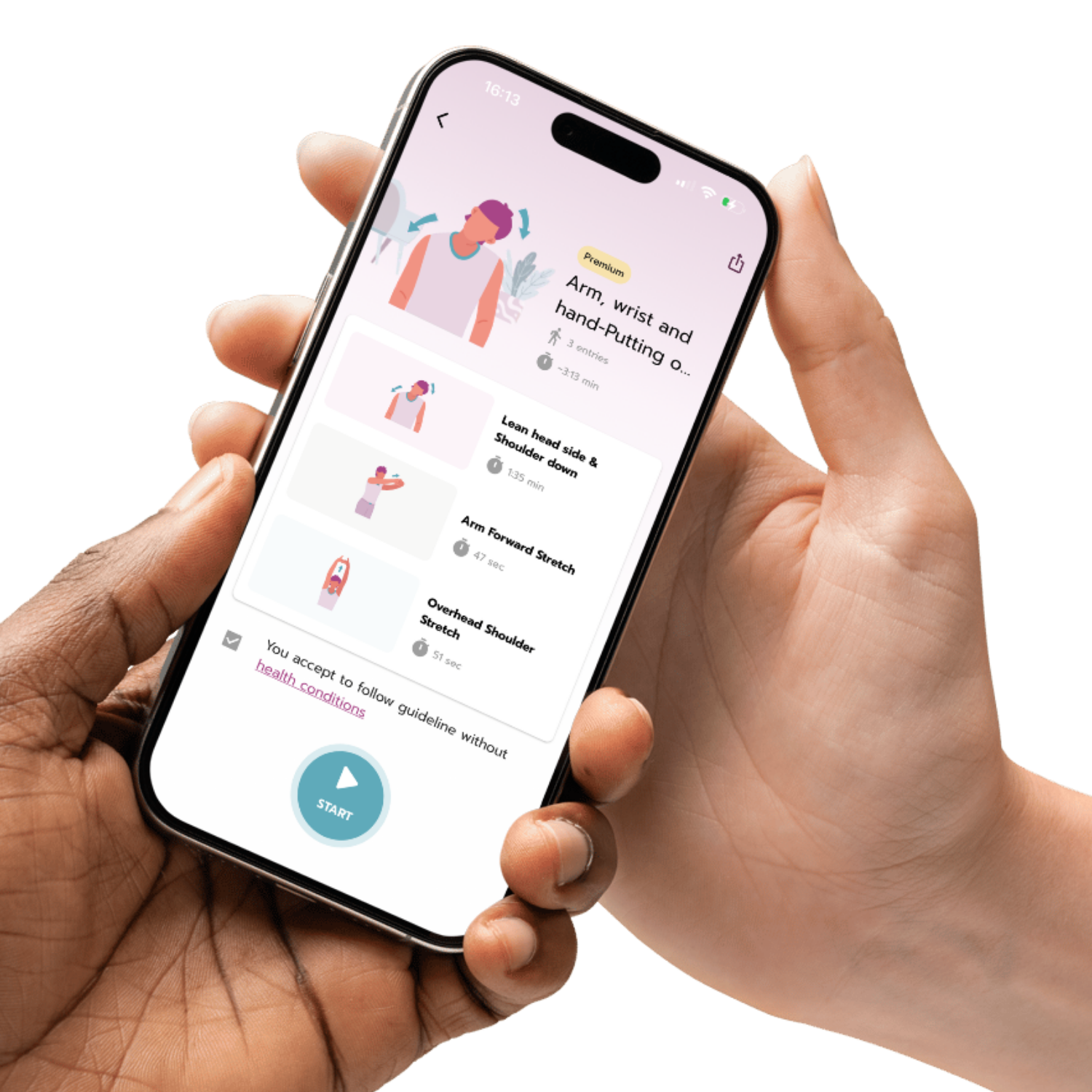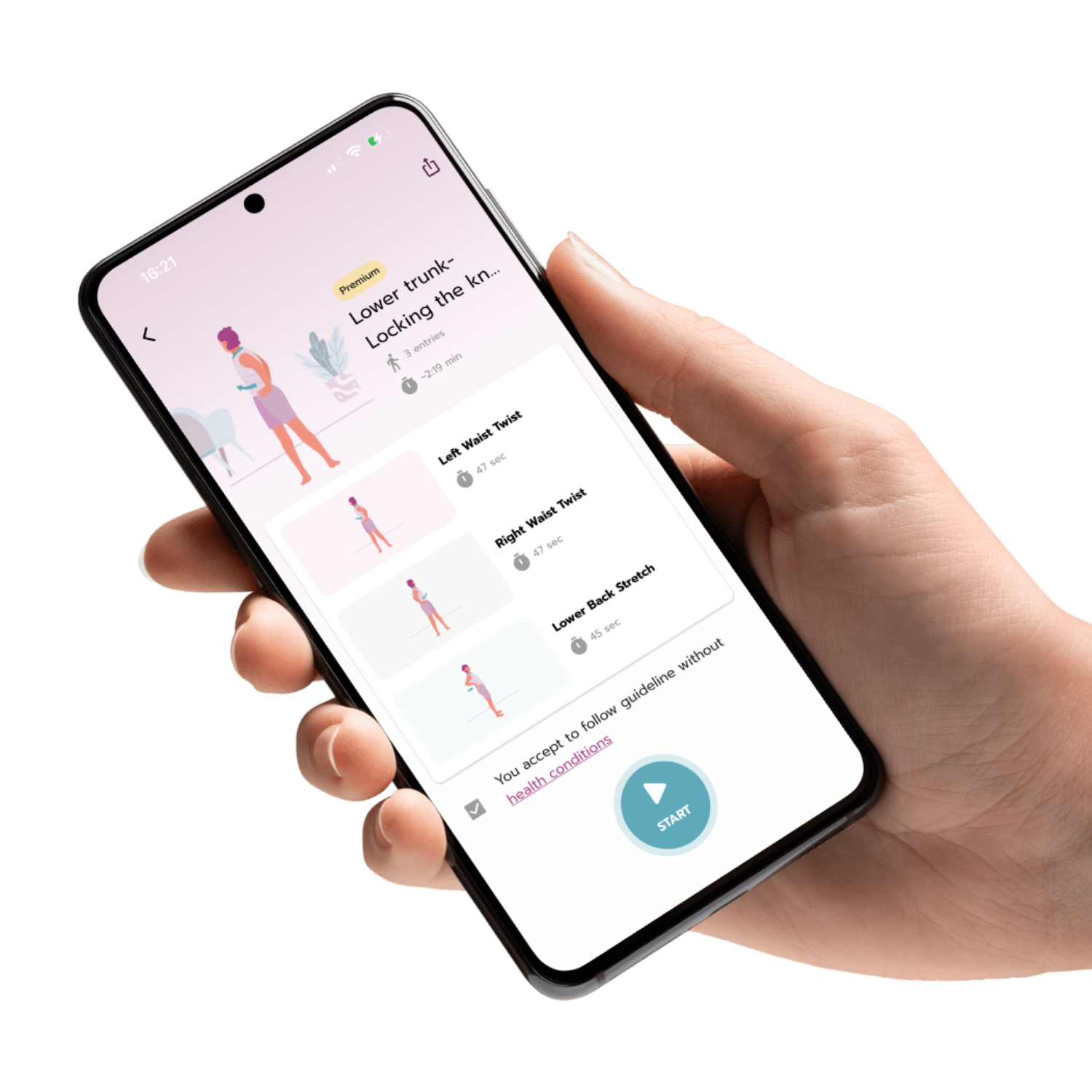
GAS INDUSTRY RECOVERY PROGRAM

A practical guide to preparing your body, taking restorative breaks during the day, and easing muscle tension after work—for gas industry employees and technicians.

อุตสาหกรรมก๊าซ-การทำงาน

Working in the gas industry requires knowledge, precision, physical strength, and concentration. Many employees and technicians spend long periods standing on hard surfaces, walking through work areas, climbing between different levels, carrying or moving equipment, performing repetitive tasks, and bending forward to inspect details. Although these activities differ from sitting in front of a computer, tension can still accumulate in the neck, shoulders, back, lower back, hips, legs, and wrists.


These symptoms are often referred to as “office syndrome” because the term is commonly associated with office workers. In reality, work-related muscle tension is not limited to desk jobs. Prolonged standing, repetitive movements, heavy equipment, and insufficient recovery can affect the same muscle groups. Appropriate exercises during approved breaks can help the body change position and move more comfortably throughout the working day.

You do not need to wait until discomfort becomes severe. Just a few minutes of appropriate movement at different times of the day can help you become more aware of your body and build a consistent self-care routine.

พนักงานอุตสาหกรรมก๊าซ

Office Syndrome Is Not Limited to Office Workers

“Office syndrome” is commonly used to describe discomfort or tension in the musculoskeletal system associated with working habits. These may include remaining in the same position for long periods, repeatedly using certain muscles, working in awkward postures, or not taking enough breaks to change position.


These risk factors can also be found in field work, factory work, maintenance work, and system-control operations.

For technicians in the gas industry, physical demands can take many forms. One moment may involve monitoring or controlling equipment, followed by walking through a through work area, carrying tools, gripping equipment, bending, reaching, or repeating similar movements throughout the day.


The body is therefore exposed to a combination of forceful exertion, prolonged postures, and repetitive movements, which are often overlooked.

This guide adapts the concept of office syndrome exercises to the actual working routines of gas industry employees and technicians. Instead of requiring a long daily workout, the program is divided into short routines that can be started easily, repeated regularly, and integrated into the working day.

Different Tasks Place Different Demands on the Body

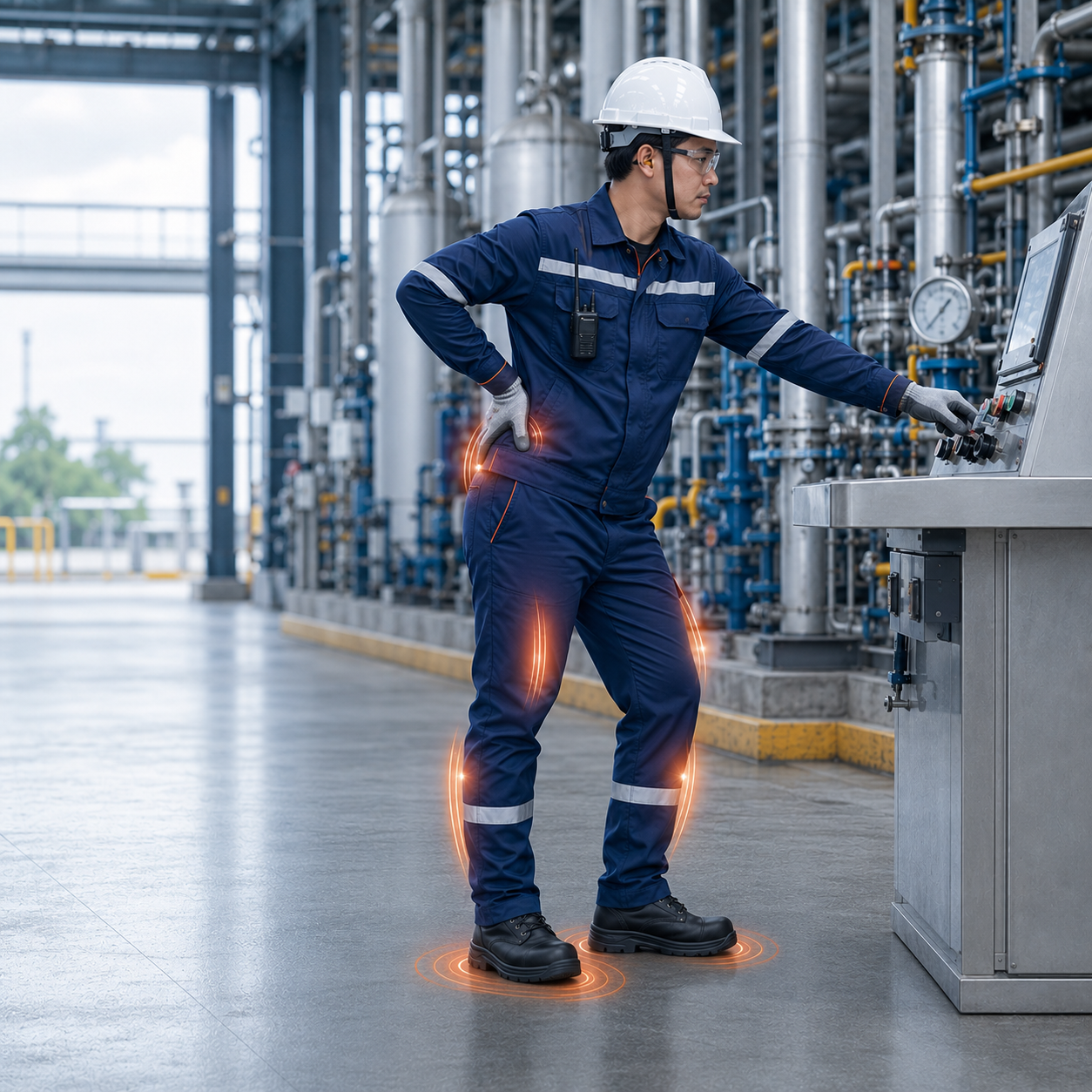
Office Syndrome-อุตสาหกรรมก๊าซ-ยืนประจำจุด อยู่ท่าเดิม และทำงานบนพื้นแข็ง

1. Standing at a Station, Remaining in One Position, and Working on Hard Surfaces

Standing for extended periods can contribute to muscle fatigue in the calves, hips, and lower back, particularly when wearing safety footwear or standing on surfaces that provide limited cushioning.


A lack of weight shifting may increase tension around the ankles, hips, and lower back. Some workers may also unconsciously lock their knees or shift most of their weight onto one side.

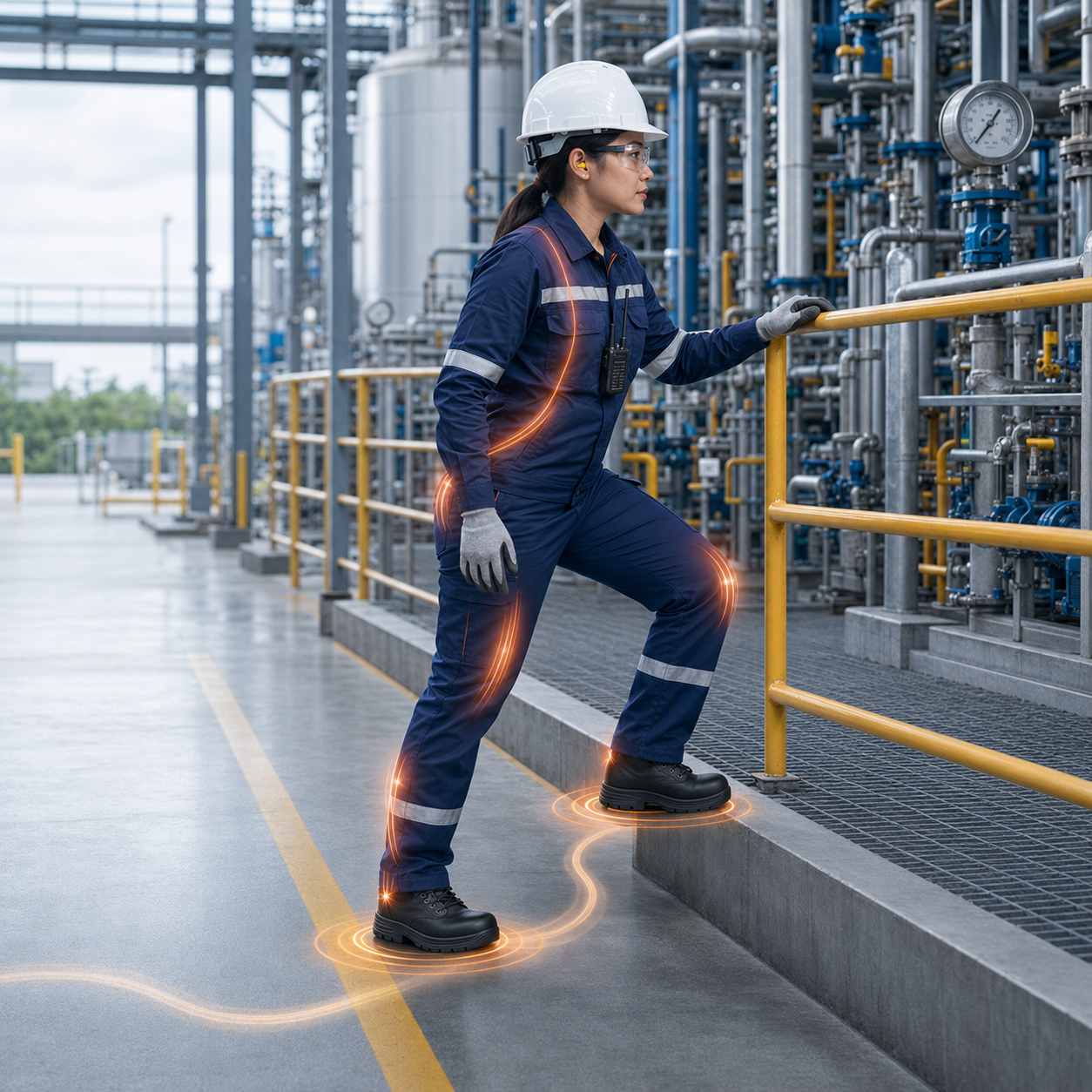
เดินตรวจพื้นที่ ก้าวขึ้นลง และเปลี่ยนพื้นผิว

2. Walking Through Work Areas, Climbing, and Moving Across Different Surfaces

Inspection work requires endurance, balance, and control while walking. Workers may walk on hard surfaces, climb stairs, or move through areas with different floor levels.


These activities can increase physical demands on the calves, thighs, and hips—particularly when carrying personal equipment or performing inspection work continuously.

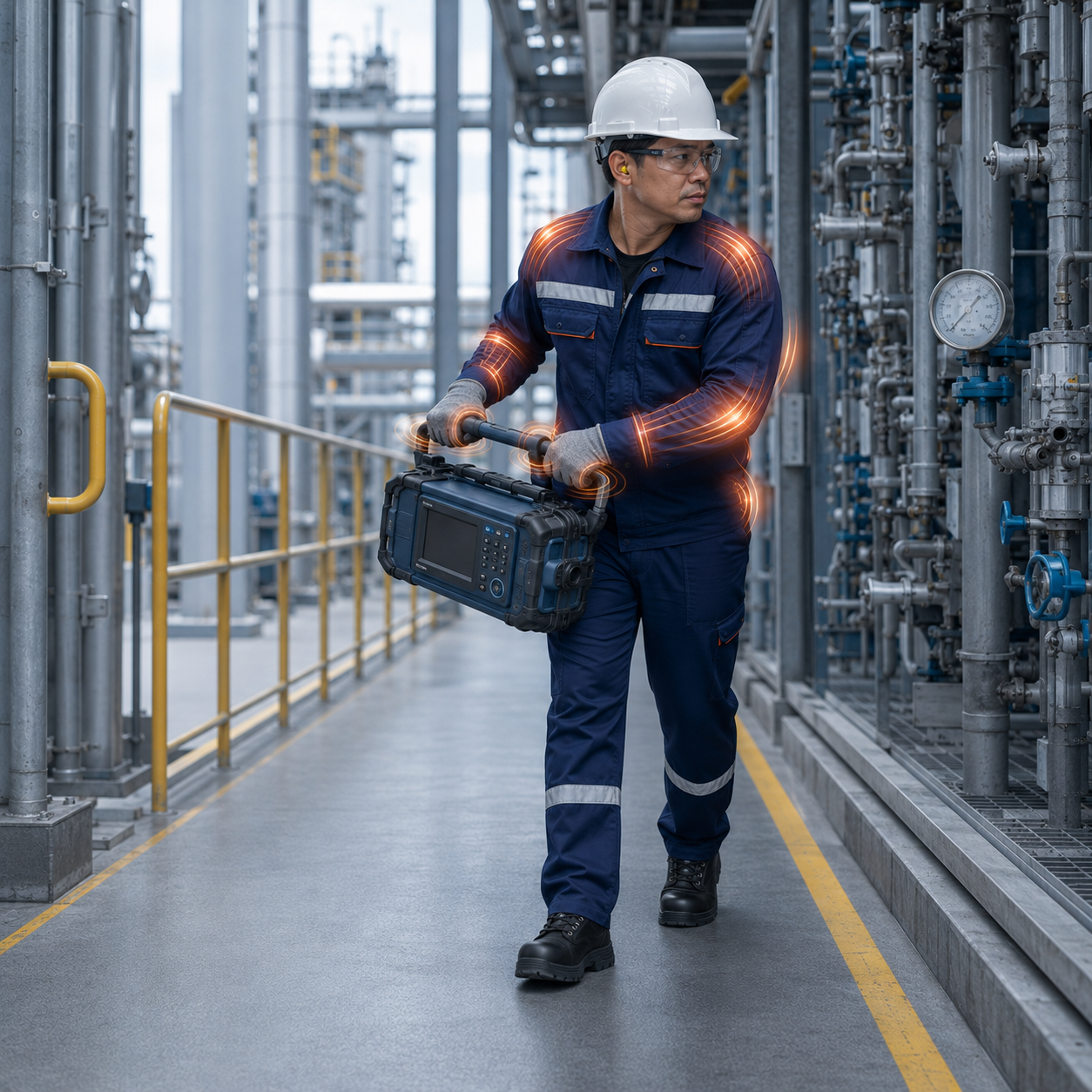
Office Syndrome-อุตสาหกรรมก๊าซ-ถือ เคลื่อนย้าย หรือประคองอุปกรณ์

3. Holding, Moving, or Supporting Equipment

Firm gripping, carrying, lifting, or holding equipment in the same position can cause the hands and forearms to tense without sufficient rest.


Working in a confined space may also require holding the arms in an awkward position or reaching far from the body. These demands can contribute to fatigue around the shoulders, back, wrists, and hands.

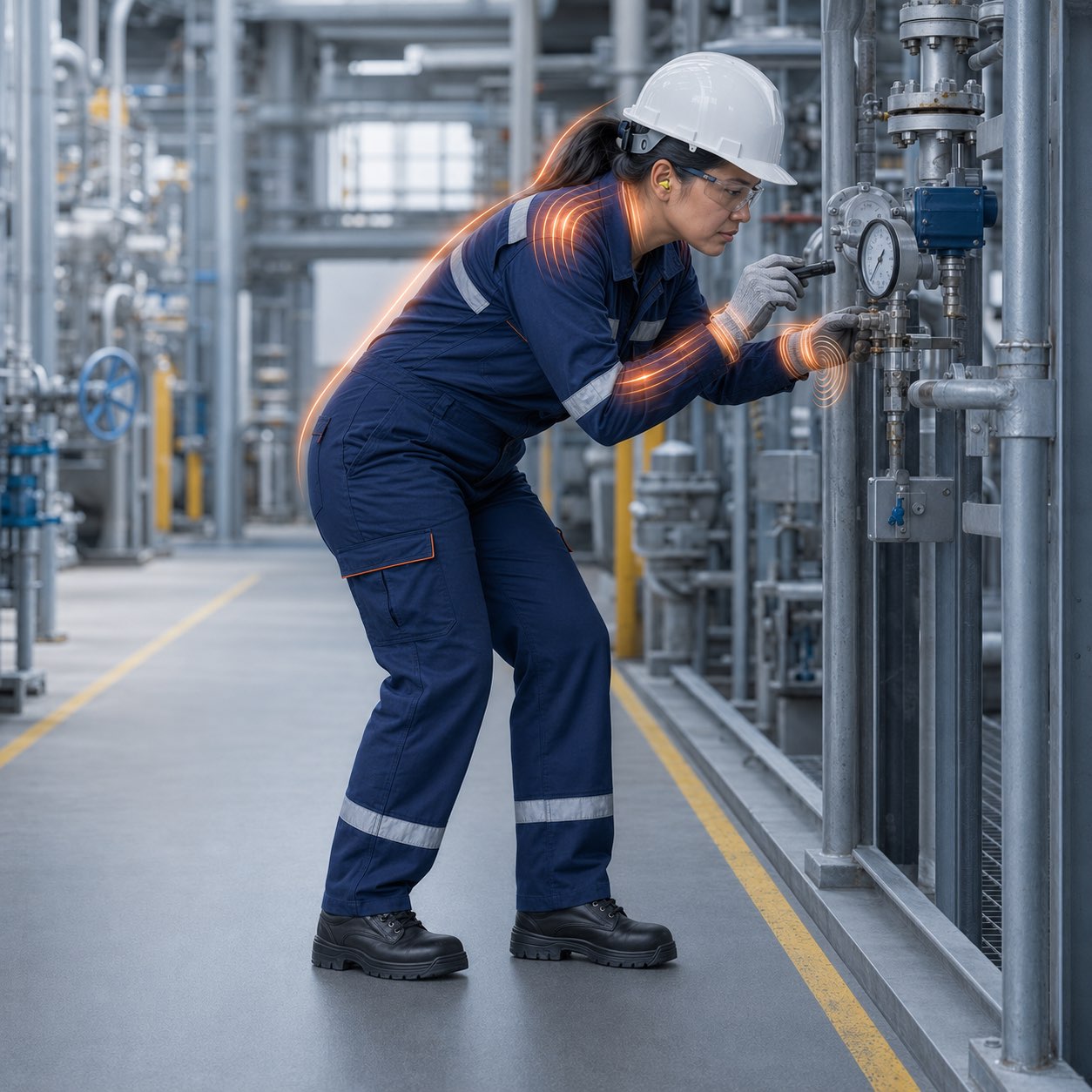
Office Syndrome-อุตสาหกรรมก๊าซ-ตรวจเช็กละเอียด ก้ม มองใกล้ หรือใช้มือซ้ำ

4. Detailed Inspection, Bending, Close Viewing, or Repetitive Hand Use

Technicians who read gauges, inspect joints, examine small components, or perform detailed manual tasks may unconsciously move the head forward, raise the shoulders, hold their breath, or maintain the wrist in the same position.


These demands are similar to those associated with looking at a computer screen, except they occur around real equipment and within an operational work environment.

A Three-Part Daily Program

Support your body throughout the actual working day.

เซตเตรียมร่างกายก่อนเริ่มงาน 3–5 นาที

Part 1: Before Work — 3–5 Minutes

Before starting work, your body may still feel stiff or not fully alert, particularly after traveling, prolonged sitting, or insufficient rest.


Preparing the body with gentle movement can help increase awareness and support more coordinated movement before beginning work.

เซตพักเบรกระหว่างวัน 3–5 นาที

Part 2: During an Approved Break — 3–5 Minutes

A break is a suitable opportunity to change position. Short office syndrome exercises can be used to ease tension in areas such as the neck, shoulders, upper back, arms, wrists, and fingers.


For technicians who perform continuous inspections, a short break may also help reset posture and restore concentration.

เซตคลายความตึงล้าหลังเลิกงาน 5–10 นาที

Part 3: After Work — 5–10 Minutes

After leaving the work area, stop and take a moment to observe how your body feels.


Changing out of work clothing or removing equipment does not automatically release tension that has accumulated throughout the day. The after-work program therefore focuses on slow, controlled movement, stretching heavily used areas, and noticing any part of the body that requires additional attention.

What Is Included in the E-Book?

The Gas Industry Recovery Program is designed as a practical working guide—not something you read once and leave unused.

The content begins by understanding job-related muscle tension before guiding readers toward suitable exercises and daily tracking.

The e-book includes:

  1. An overview of work in the gas industry and the body areas that may require attention
  2. Examples of work behaviors associated with tension, including prolonged standing, continuous walking, carrying equipment, bending, close viewing, and repetitive hand use
  3. A preliminary self-assessment to explore how you feel before beginning the program
  4. Preparation guidelines, safety precautions, and warning signs to review before performing office syndrome exercises
  5. A 3–5 minute before-work program to prepare the body for movement
  6. A 3–5 minute during-break program organized around common working behaviors
  7. An after-work recovery program focusing on the neck, shoulders, back, hips, legs, wrists, and forearms
  8. Clear exercise instructions with observation points that make each movement easier to follow
  9. Exercise charts for prolonged standing, continuous walking, equipment handling, close inspection, and detailed work
  10. A 30-day journal for recording symptoms and maintaining a consistent self-care routine
พนักงานอุตสาหกรรมก๊าซ 2 คน

30-Day Journal: The 30-day journal is designed to turn physical sensations into visible information. Muscle tension from work does not always result from a single event; it may accumulate gradually from repeated movements and prolonged postures. Recording your feelings can help you notice patterns, compare changes, and identify which activities are most closely associated with discomfort.

Who Is the Gas Industry Recovery E-Book For?

This e-book is suitable for operations employees, technicians, maintenance personnel, site inspection teams, system operators, employees who stand at fixed stations, and people whose roles combine field work with administrative work.


It is also suitable for supervisors, human resources teams, safety personnel, and workplace health project coordinators who want to communicate musculoskeletal self-care in a way that is easier to understand and apply.

Field workers and operations teams whose jobs require continuous physical activity.

Worker

Technicians, maintenance personnel, and equipment inspectors who carry tools and move between work areas.

Technician

Supervisors, safety officers, and human resources teams who need to understand employees’ working conditions and develop appropriate workforce health initiatives.

Human Resource

Site inspection, warehouse, and facility teams responsible for safety and operational conditions.

Facility Manager

Safety Always Comes First

The exercise program should not be performed in hazardous areas or while carrying out tasks that require continuous concentration.

Before beginning:

  • Stop working and put tools away properly
  • Leave machinery, vehicle routes, uneven surfaces machinery,, and controlled areas
  • Move only within a comfortable range
  • Do not force the movement or hold your breath

If you experience sudden pain, numbness, weakness, dizziness, breathing difficulty, or unusual symptoms while performing an exercise, stop immediately.

People who are injured, undergoing treatment, pregnant, or recovering from surgery should consult an appropriate professional before starting the program.


This e-book is provided for education and preliminary self-care support only. It is not intended to diagnose or treat a medical condition, and it does not replace advice from a doctor, physiotherapist, or occupational health professional.

The program should be used alongside the organization’s ergonomic measures, operating procedures, and safety requirements.

Start Taking Care of Your Body with Short, Practical Routines

The Gas Industry Recovery Program turns general office syndrome recommendations into practical routines that fit real industrial work.

You will learn how to:

  • Prepare your body before starting work
  • Reset your posture during an approved break
  • Ease tension in heavily used areas after work
  • Record how you feel and plan consistent self-care

Whether your work involves prolonged standing, inspection rounds, equipment handling, close viewing, or several different tasks in the same day, this guide can help you select exercises that better match your working habits.

Each program is designed to be short, clear, and practical—so physical self-care can become part of everyday life rather than something that is always postponed.

Want to Know Whether This E-Book Is Right for You or Your Team?

Preview the e-book to explore the content structure, sample exercise programs, and the 30-day journal. When you are ready to build a consistent self-care routine throughout the working day, you can purchase the complete edition and access the full program for gas industry employees and technicians.

Latest Blog

ฉี่ไม่ออก-เปิดสะโพก

ฉี่ไม่ออก: สาเหตุ อาการ วิธีเช็ก และแนวทางดูแลเบื้องต้น

ฉี่ไม่ออก คืออะไร? ฉี่ไม่ออก หรือ ปัสสาวะไม่ออก (Urinary Retention) คือภาวะที่ร่างกายมีความต้องการขับถ่ายปัสสาวะ แต่ไม่สามารถปัสสาวะได้ หรือปัสสาวะได้ไม่สุด

ยืดเหยียดกล้ามเนื้อ 10 ท่า: คลายเมื่อย เพิ่มความยืดหยุ่น เริ่มฝึกได้ง่ายที่บ้าน

ยืดเหยียดกล้ามเนื้อ 10 ท่า คืออะไร? การ ยืดเหยียดกล้ามเนื้อ 10 ท่า คือชุดท่าบริหารร่างกายที่ช่วยลดอาการตึง เคล็ด

ยืดเหยียดกล้ามเนื้อ: ประโยชน์ วิธีทำที่ถูกต้อง และวิธีเริ่มต้นง่าย ๆ ด้วยตนเอง

ยืดเหยียดกล้ามเนื้อ คืออะไร? ยืดเหยียดกล้ามเนื้อ (Stretching) คือกระบวนการยืดกล้ามเนื้อหรือเส้นเอ็นเพื่อเพิ่มความยืดหยุ่น ความคล่องตัว และลดความตึงเครียดของกล้ามเนื้อ ช่วยป้องกันอาการบาดเจ็บ ลดอาการเมื่อยล้า และเพิ่มการไหลเวียนเลือด